
Choose Your Adventure
Our Boats
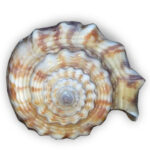
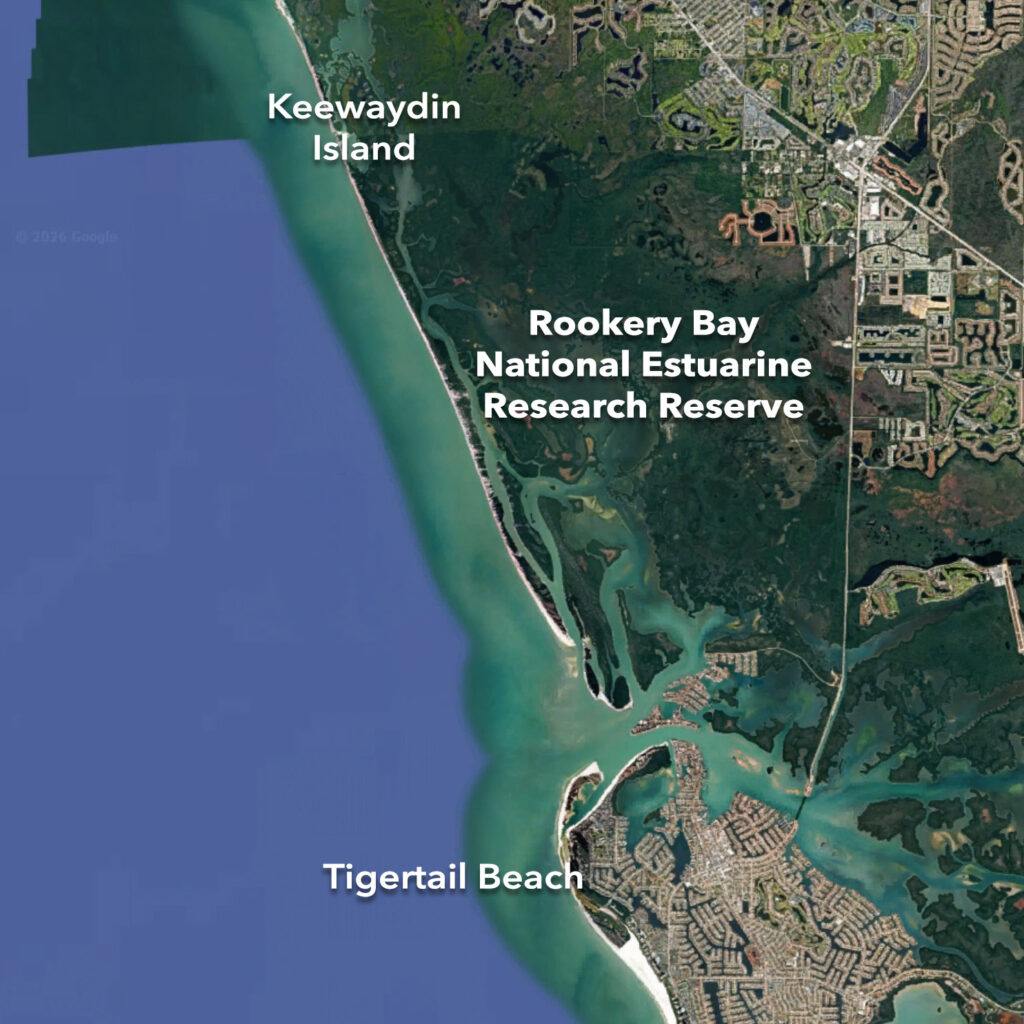
Welcome to a shell hunter’s paradise. Southwest Florida is world-renowned for its pristine beaches and unique tidal patterns that wash up some of the most beautiful treasures from the Gulf of Mexico. Whether you’re a family looking for a relaxing day on the water or a dedicated collector hunting for a rare Junonia shell, our Eco tour takes on an unforgettable escape through Rookery Bay National Estuarine Reserve to Keeywadin Island and Tigertail Beach.
| Shell Name | Rarity | Photo | Description |
|---|---|---|---|
| Lightning Whelk | Common | 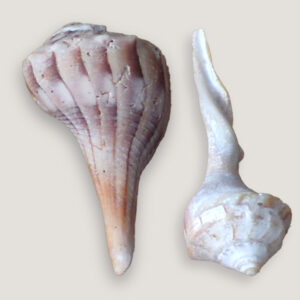 |
Spirals to the left; bold brown and cream streaks with a thick, sturdy shell. |
| Florida Fighting Conch | Common | 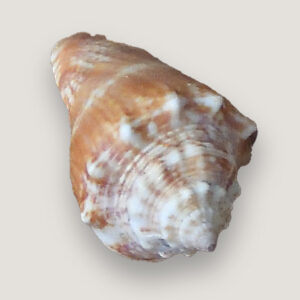 |
Heavy and glossy with a smooth exterior and a rich orange to purple interior. |
| Lettered Olive | Uncommon | 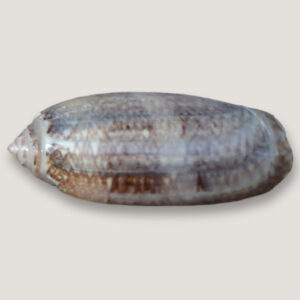 |
Sleek, cylindrical shell with polished surface and distinctive zigzag “letter-like” markings. |
| Banded Tulip | Uncommon | 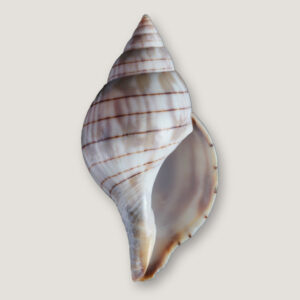 |
Smooth, tapered shell with elegant swirling bands that resemble hand-painted patterns. |
| Junonia | Rare | 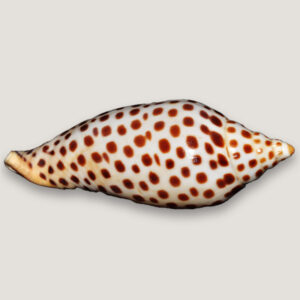 |
Highly prized and rarely found; cream-colored with evenly spaced brown spots. |
When is the best time to go shelling? The best time is typically around low tide, when the receding water exposes hidden sandbars. Shelling is also spectacular right after a Gulf storm!
What do I need to bring? You should bring a bucket or mesh bags for your finds! We also recommend towels, sunscreen and a hat.
Is Keewaydin Island good for kids? Absolutely. Keewaydin offers wide, flat stretches of beach with very gentle surf, making it the perfect playground for little beachcombers to explore safely.
Can we keep the shells we find? Yes, as long as they are “empty.” In Florida, it is strictly prohibited to take any shell that contains a living organism (including sand dollars and sea stars). Always check inside your shells before bringing them back to the boat!